
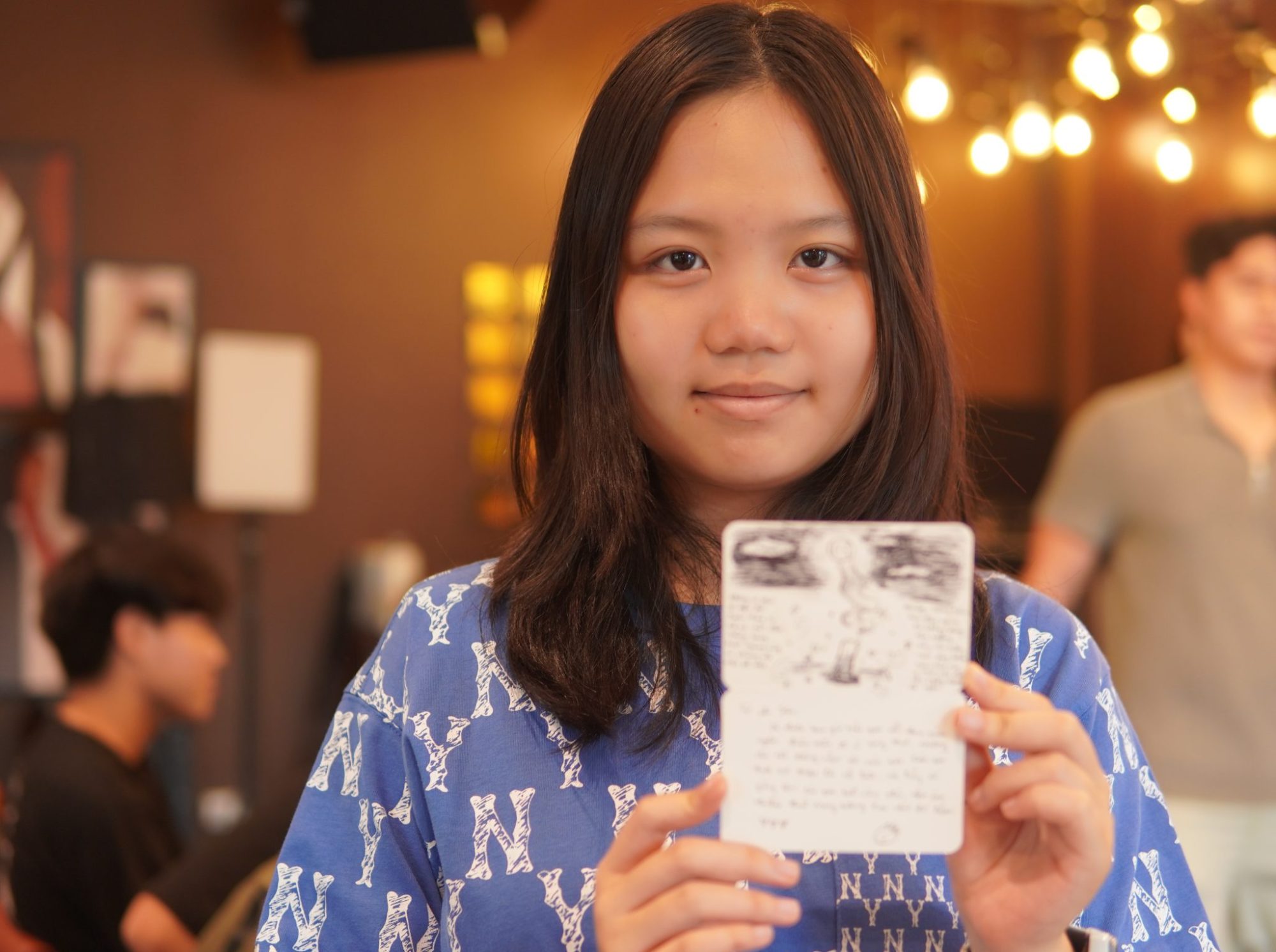
The First Notes of My Story
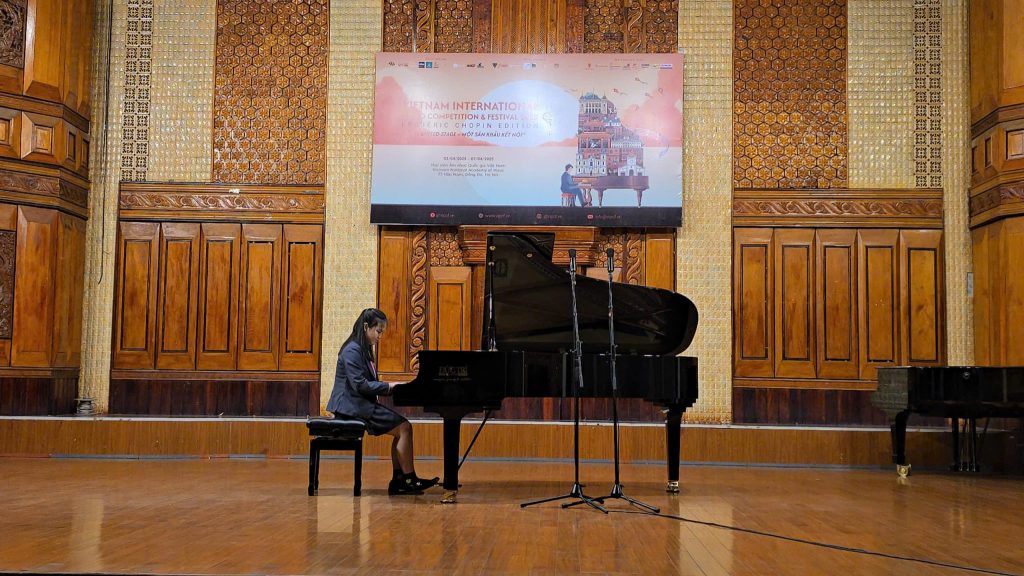
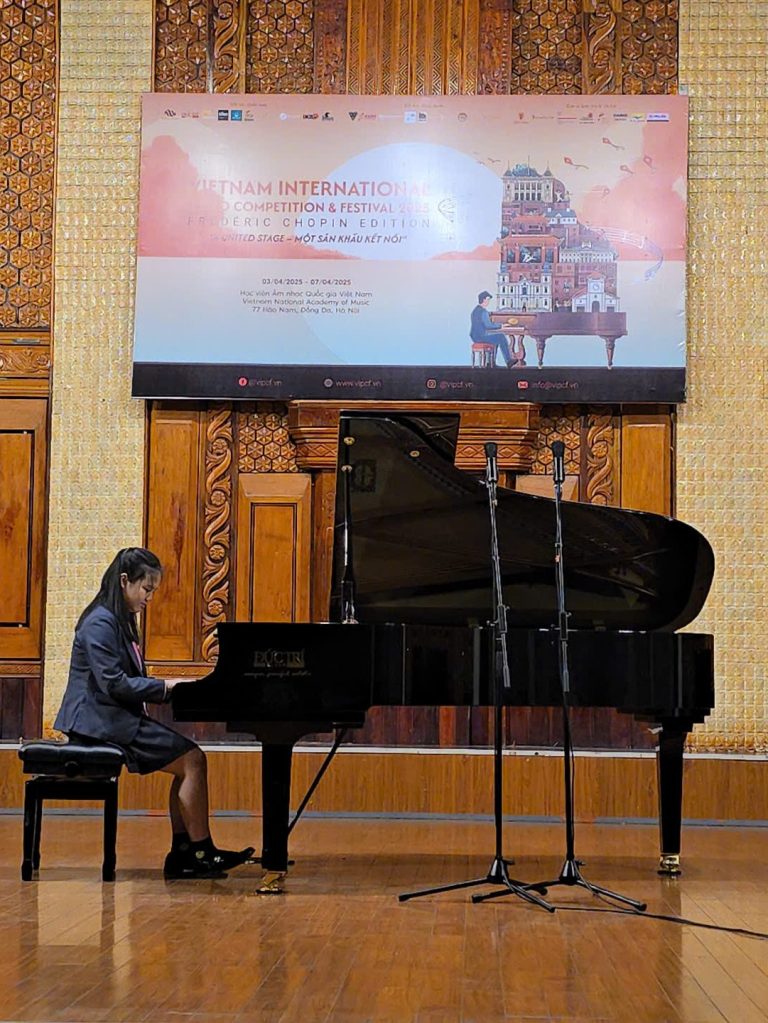
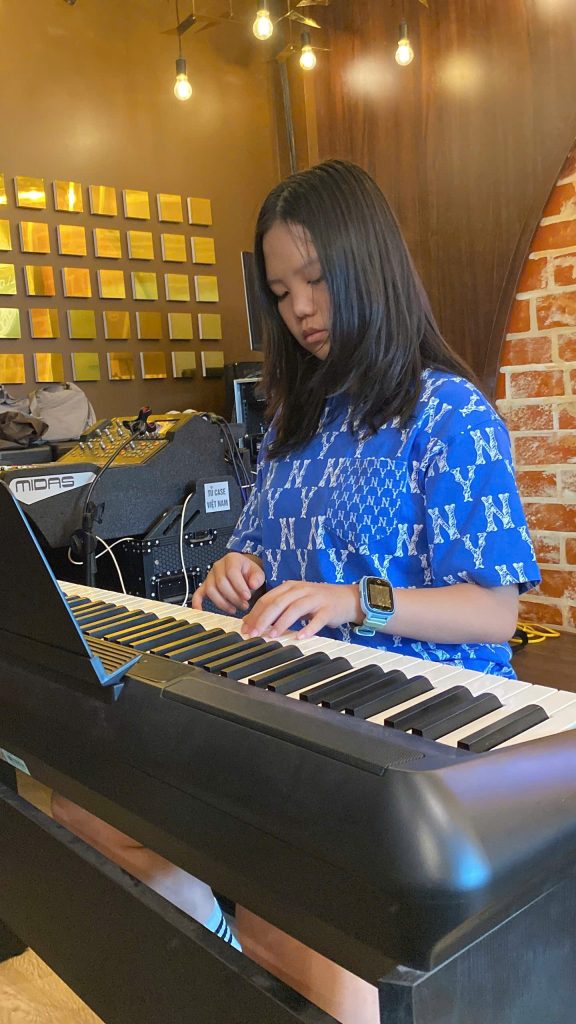
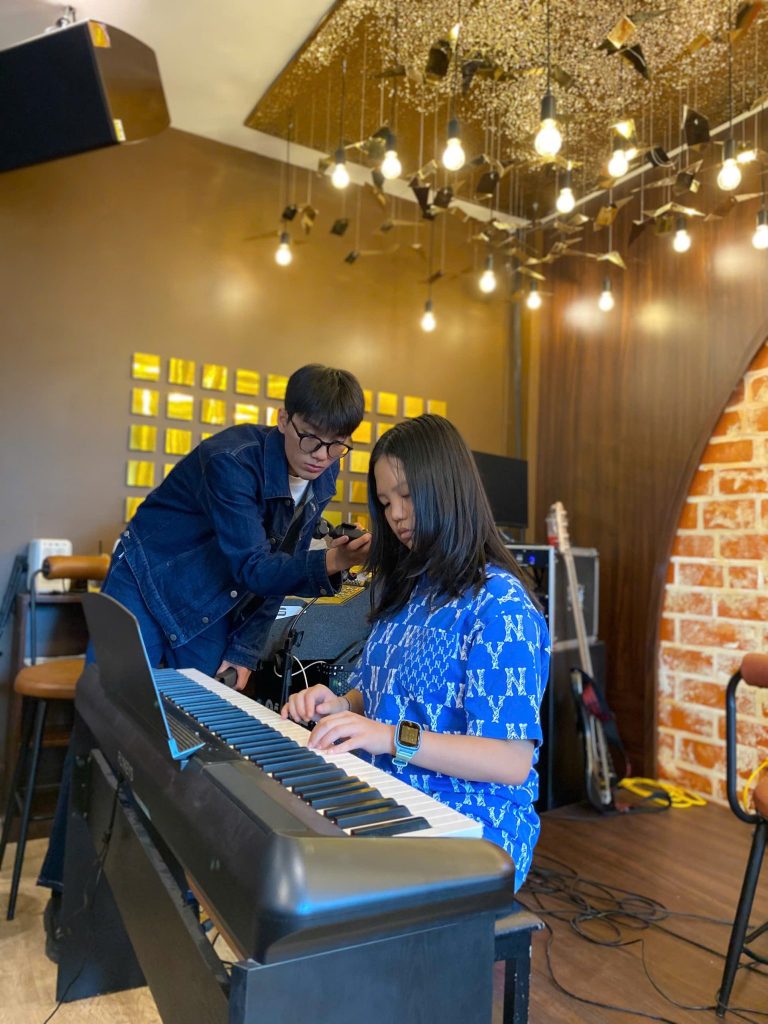
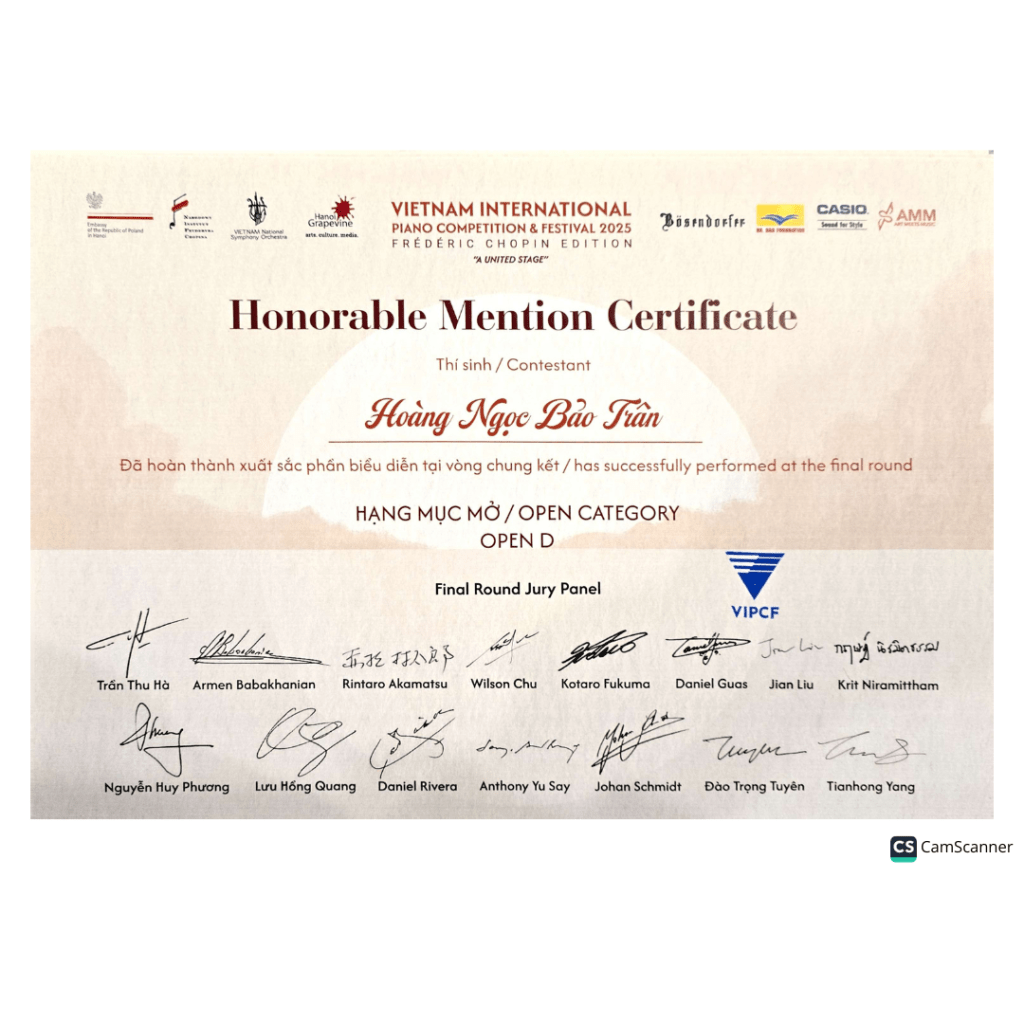
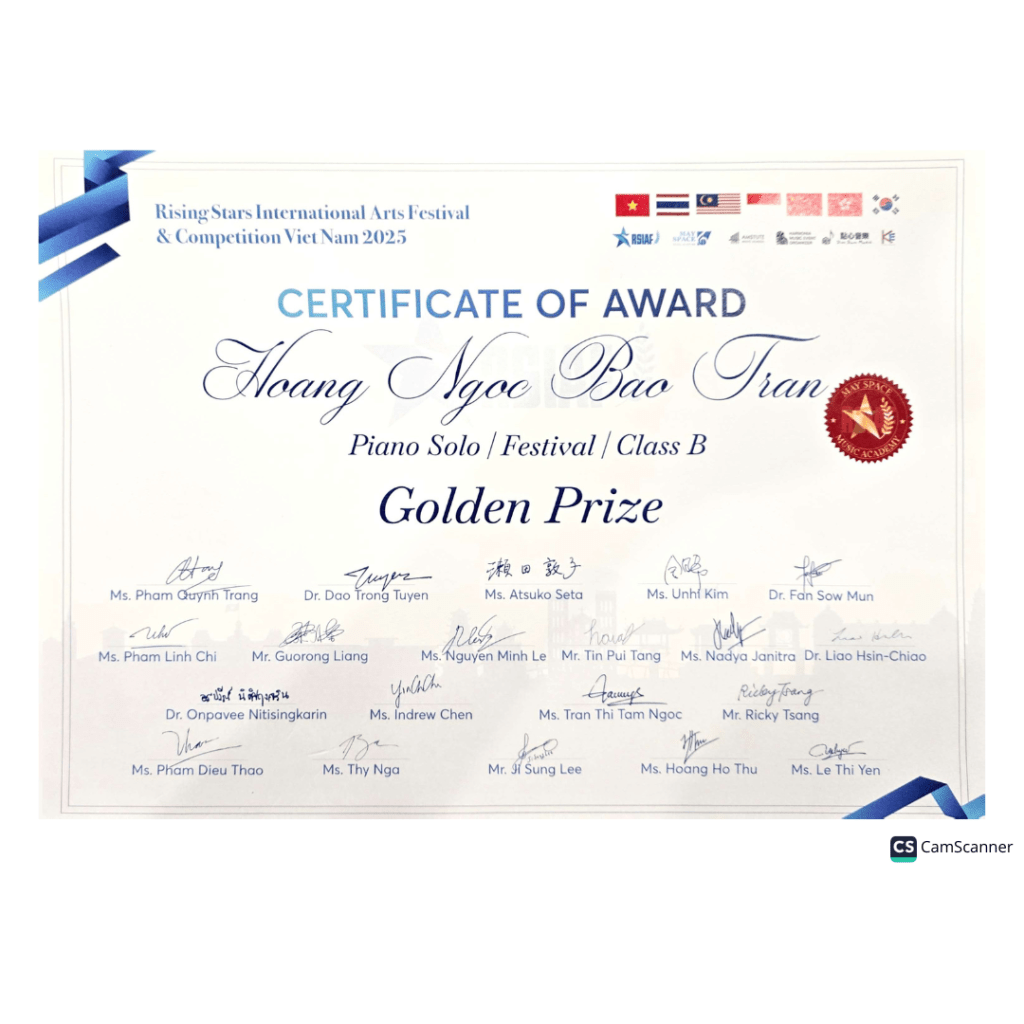
First, my passion for music. This has started in such a young age that sometimes I forget that I learnt music for almost eight years. I started with a class of music perception for children. I have been praised by the teachers over time, saying I was very firm with my beats. I began to learn more and accumulate more knowledge, which turned into a natural way of learning music faster. I currently play the drum-kit, the piano, somewhat of the ukulele, the t’rưng, and I sing a lot. I am looking forward to playing the electric guitar. I listen to a range of music. Anything that I deem “worthy of listening”, I listen. Outside of just enjoying the lyrics, I also tend to analyze what is going on in the instrumental. One of my favorite music projects must be EPIC: The Musical. It is a concept album inspired by the Odyssey, and has great meaning is each and every song. I think it was my interest in EPIC that really made me think about how the instrumentals were made. It blossomed my buds of curiosity, and I start to favor producing even more. Even though I don’t see myself working full-time as a producer, but I would never mind it be a part-time job.
When Myths Found Me
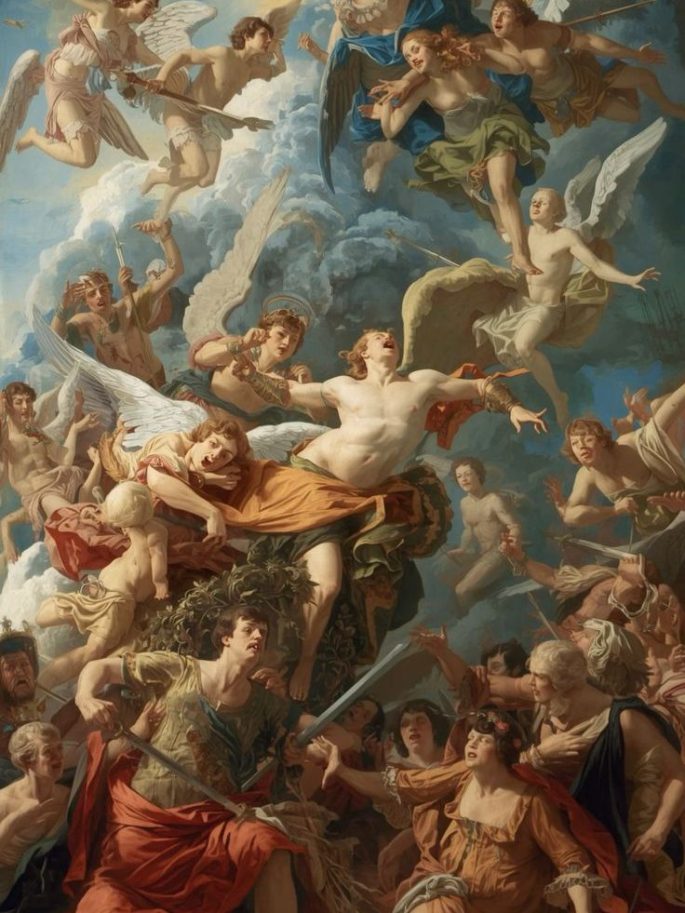
I love Greek Mythology. I think it has grabbed my interest since my primary years. I used to read a lot of Ancient Egyptian books, until my mom bought me an Ancient Greek book. I started to wonder, about the gods, the myths, the history. I dug deeper year-by-year, until fifth grade. I found out about Percy Jackson, which is unmistakably a great source to pique younger middle schoolers interest in the myths. I laughed, I was shocked, I thought, but more importantly, I reacted strongly to the series. I believe the stronger humans react to the material, the more memorable and impactful it becomes, no matter positive or negative. Greek Mythology sure rubbed me in the right way, though. It lead me to EPIC: The Musical, to a new project called ‘ILIAD’ (which is a prequel of EPIC), and the actual Odyssey and Iliad. It also taught me so much more about all the myths, all the impurities both humans and the gods have, some morals, and even some ways to dramatize my writing. It has been one of my most outstanding passions throughout several years, and I am proud to not lose interest for the myths.
Through the Lens of Art and History
Museums in Hanoi have always fascinated me, not just as places filled with artifacts, but as living spaces where the past and present meet. Whenever I step inside, I bring my camera, ready to capture the way light touches a sculpture, the quiet elegance of a gallery, or the emotions of visitors as they admire art. Photography and videography, to me, are more than hobbies — they are ways to observe, reflect, and retell cultural experiences.
I love visiting different museums, from the Vietnam Fine Arts Museum with its blend of tradition and modernity, to the Museum of Ethnology, where everyday objects reveal deep cultural roots. Each museum offers a unique story, and through my lens, I try to highlight details others might miss: the textures of a canvas, the rhythm of an exhibition hall, or the stillness of empty corridors.
Filming and photographing these places has taught me to look closer, to pause and study, and to connect with the intentions behind every piece. For me, capturing museums is not just about preserving images but keeping the dialogue between art and observer alive. Each frame reflects both the stories of history and my own perspective.
Finding My Voice: From Debate to MUN
Debate first came into my life through my mother’s encouragement. In Vietnam, debate had become a trend, a way for students to sharpen critical thinking and earn recognition. I studied and performed well, but I never truly connected with the idea of competing to “win” over others. To me, expressing opinions should not be about proving superiority; life rarely works that way. After many honest conversations with my parents, I continued learning debate for its benefits but chose not to pursue competitions.
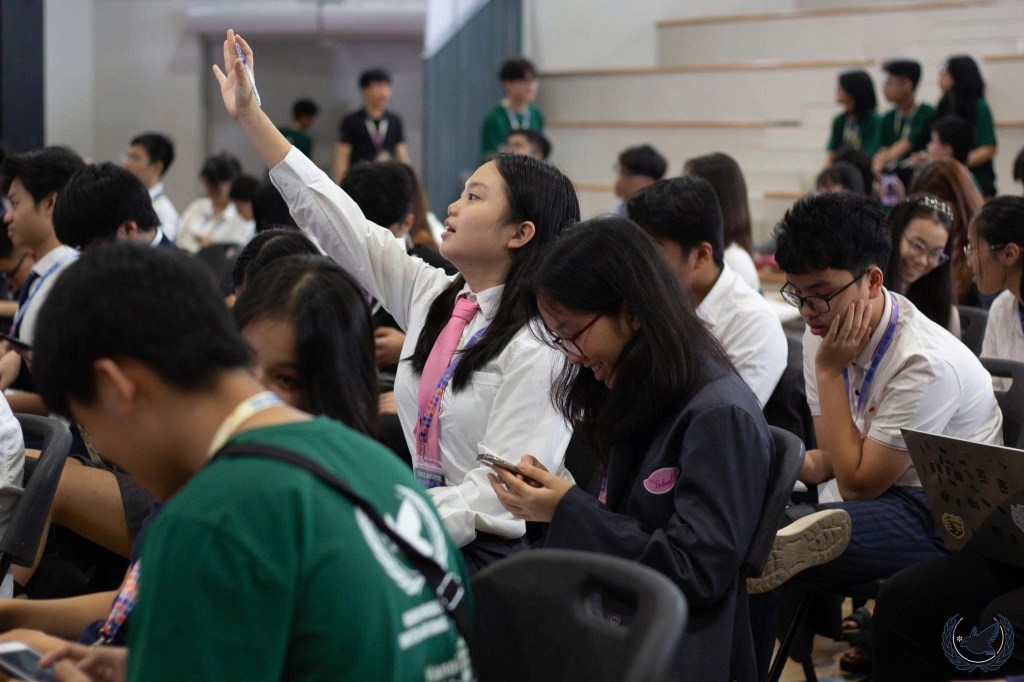
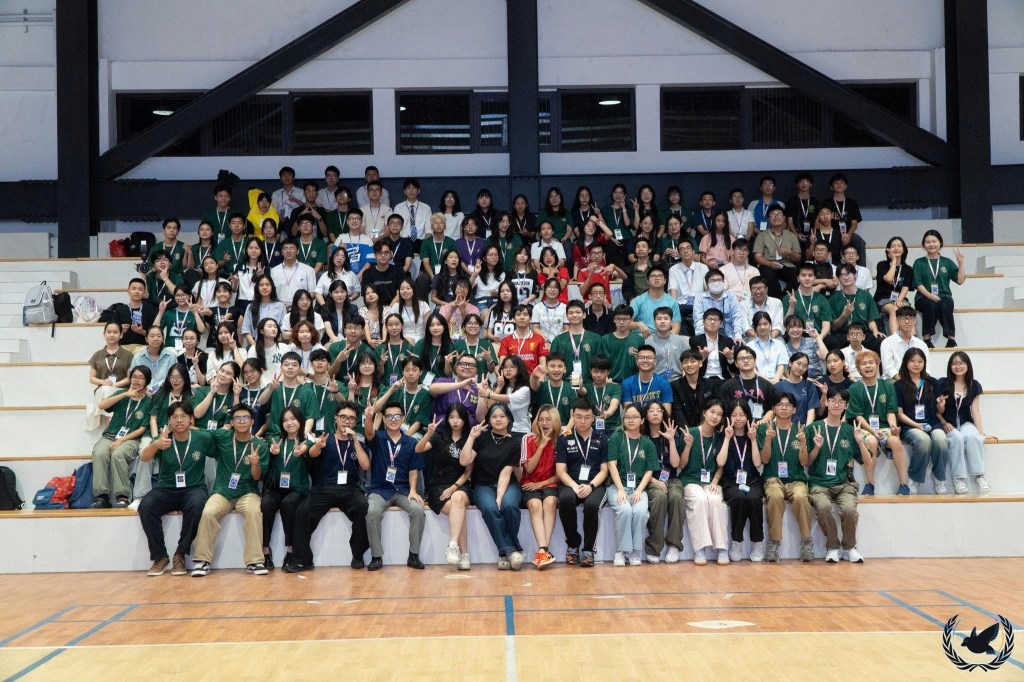
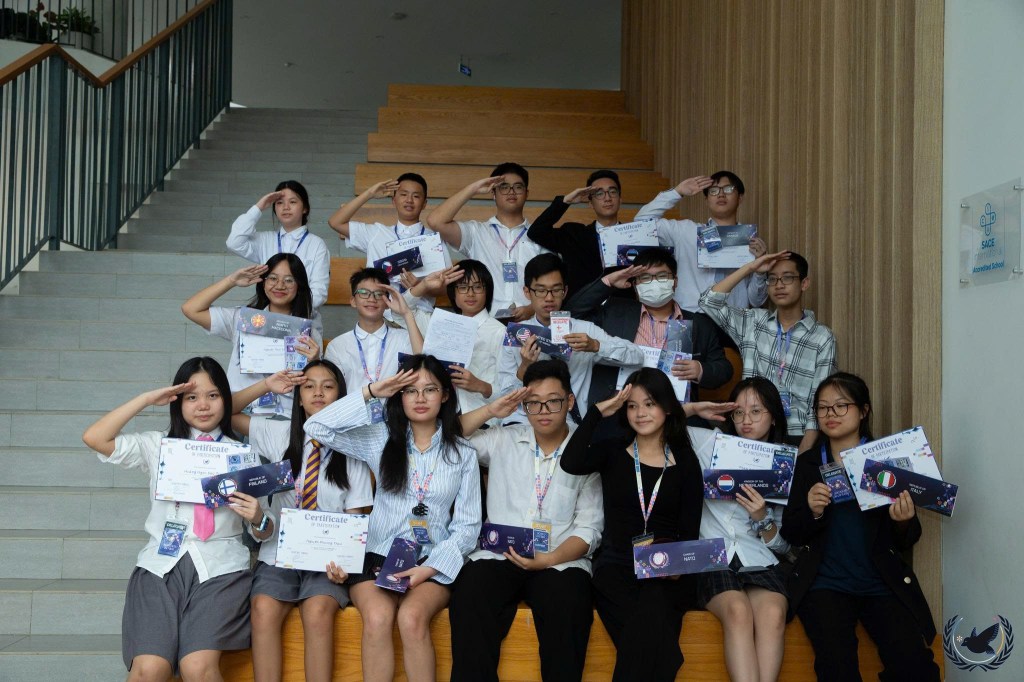
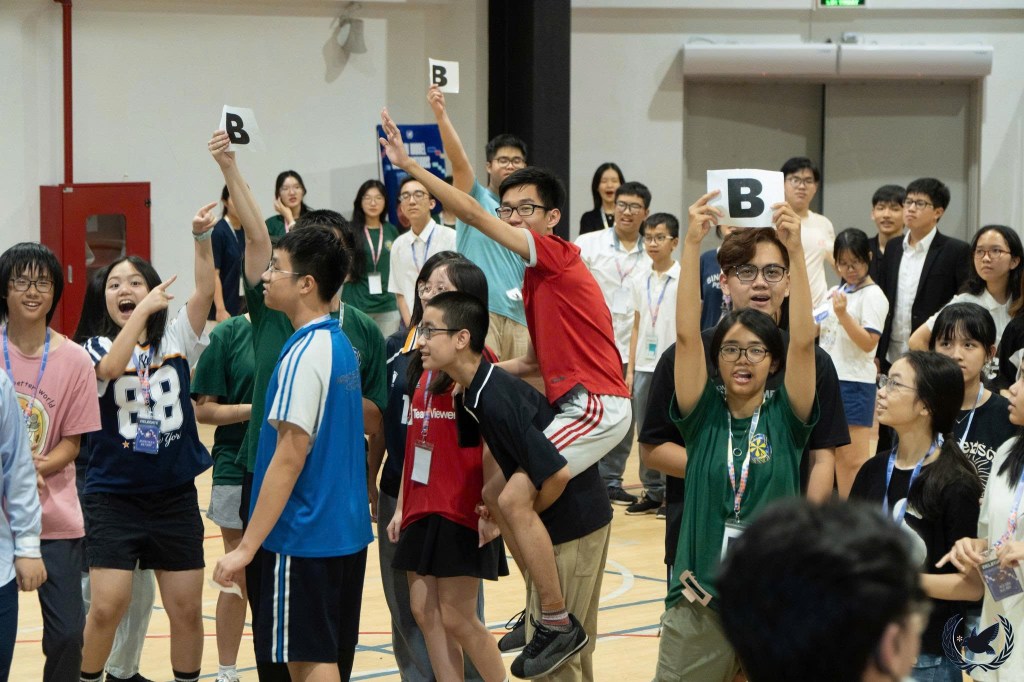
The turning point came when I joined a winter camp and participated in Model United Nations (MUN). Unlike debate, MUN allowed me to think creatively, beyond teacher-prepared arguments, and to address real-world issues. Here, I felt free to use my knowledge to propose solutions that mattered. Winning was not the aim, yet I was honored with the title of Outstanding Delegate.
One moment stood out: representing a small nation with little economic or military power. I proposed cultural diplomacy, using cuisine as a tool to strengthen ties with powerful neighbors while boosting the nation’s prosperity. This idea, grounded in both practicality and vision, showed me that through dialogue and creativity, even the smallest voices can inspire change.
The Courage to Stand with Compassion
Compassion is the foundation of how I see the world. I believe in gender equality and cannot accept the idea that men should be granted more privileges than women. Fairness, to me, is not an abstract principle but something that must guide our choices every day.
In sixth grade, when asked to write about someone who inspired me, I chose Malala Yousafzai. While others looked to athletes or celebrities, I found strength in Malala’s story — a young girl who stood against inequality and fought for education with extraordinary courage. She showed me that true power lies not in fame, but in bravery and wisdom.
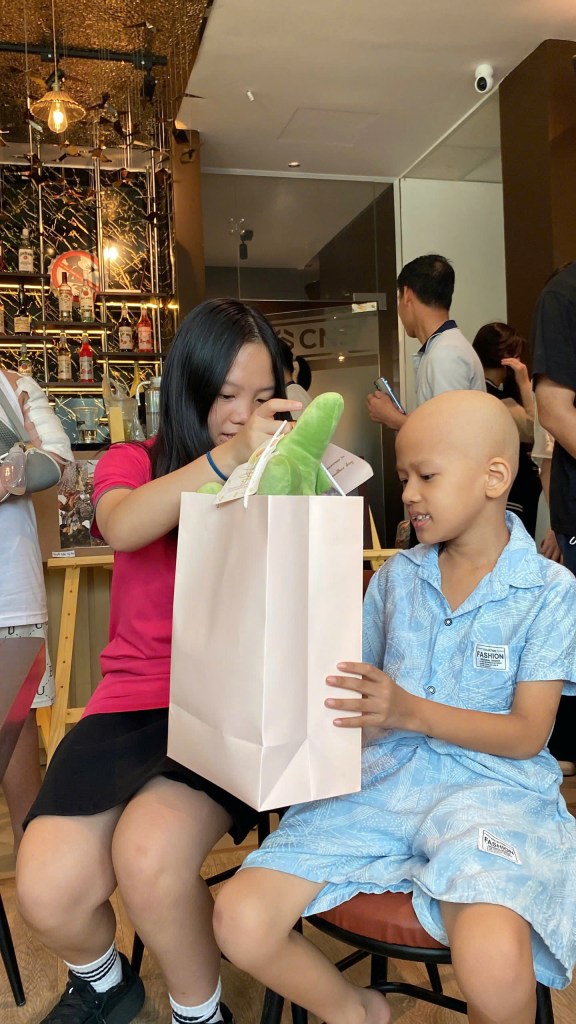
Beyond inspiration, compassion calls me to act. I feel a deep empathy for children with disabilities, who often face struggles beyond what most can imagine. Through volunteering activities, I have sought to bring them joy, whether by spending time, sharing small gifts, or simply offering companionship. These experiences remind me that even small gestures can carry profound meaning.
I want to grow into someone who combines courage with compassion: standing up for fairness, giving voice to the unheard, and extending kindness to those in need. That, to me, is the kind of strength worth striving for.
 HOANG NGOC BAO TRAN